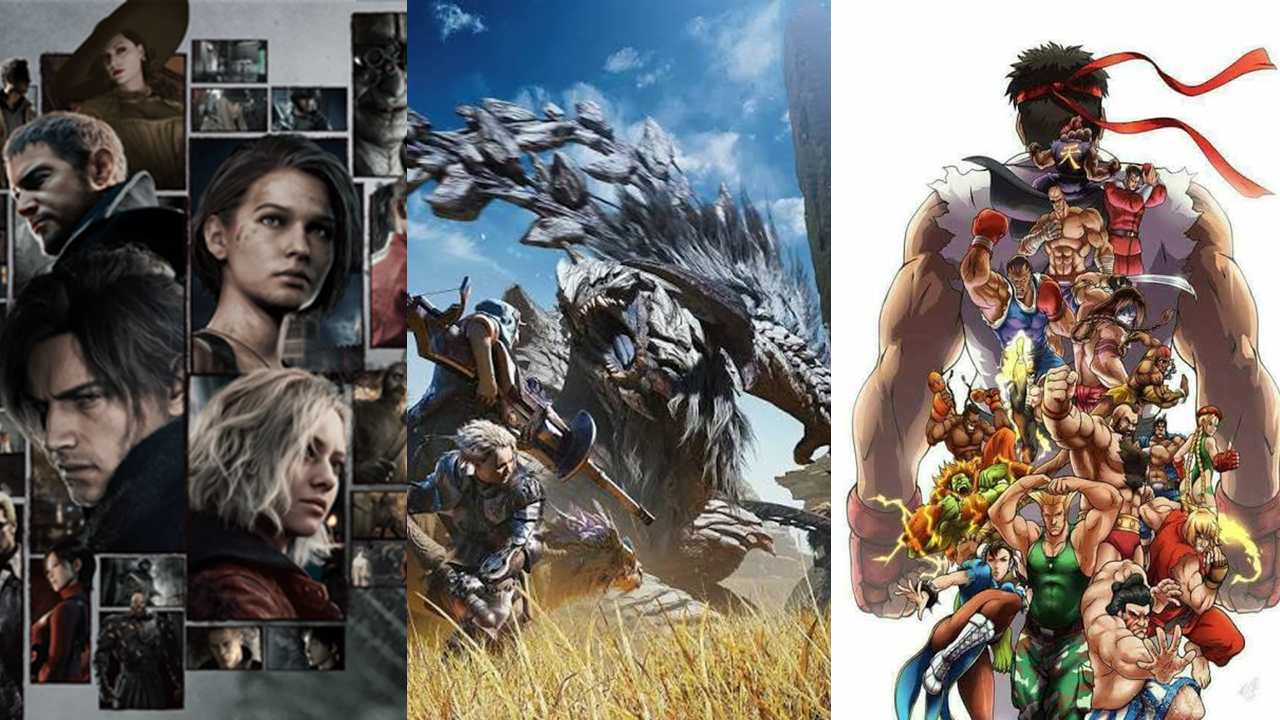

PlayStation x Capcom
Evolving a Three-Decade Legacy
2019-2025
Across Monster Hunter, Resident Evil and Street Fighter, I led PlayStation-side global partner marketing programs that matched each franchise with the right mix of first-party IP, cultural talent, hardware and PlayStation owned marketing support — expanding the relationship beyond launch support.
67M+
Unit Sales*
3
Flagship Franchises
7
Partnership Title Launches
*Worldwide cumulative unit sales across all platforms for Monster Hunter World: Iceborne, Resident Evil Village, Resident Evil 4 (2023), Street Fighter 6, and Monster Hunter Wilds. Capcom IR data as of June 30, 2026.
Context

Legacy
By 2019, PlayStation and Capcom already shared decades of history. The opportunity was not simply to add more marketing support by title; it was to keep each franchise relationship strategically relevant as player expectations, platform technology and business priorities evolved.
Between Monster Hunter, Resident Evil and Street Fighter - each franchise served different audiences, thus required a different reason to connect with PlayStation.
Opportunity
Honor the legacy holistically - use each tentpole launch to deepen the PlayStation x Capcom relationship.
Strategic Pillars
The Pivot
Treating every release as an isolated campaign and focusing solely on that game’s launch risked under-utilizing the broader PlayStation x Capcom narrative.
The Vision
Build a repeatable shared-value model with Capcom: start with the needs, ensure common goals are identified, clarify PlayStation’s differentiated contribution, then scale the idea through the right global and regional teams.
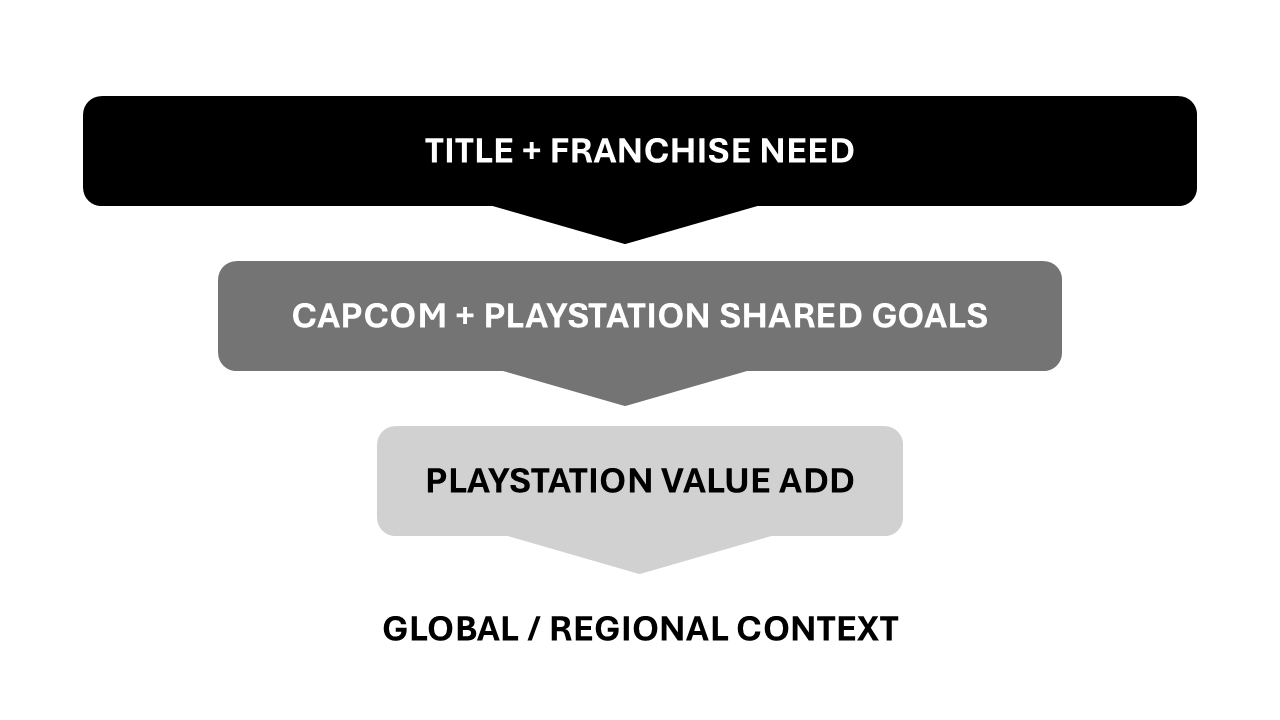
PILLAR A: Franchise-First Relevance
PILLAR B: PlayStation Differentiation
PILLAR C: Audience Expansion
Pillars in Action
PILLAR A: Franchise-First Relevance
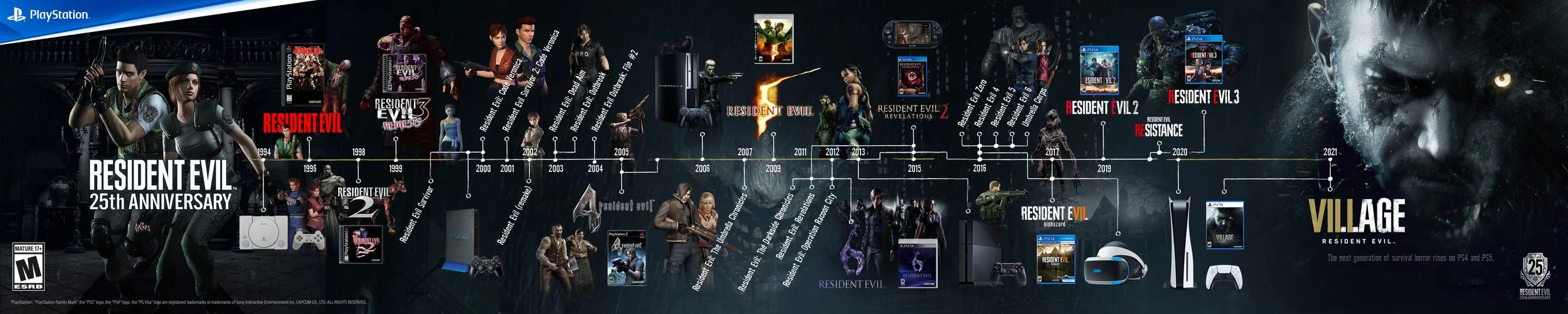
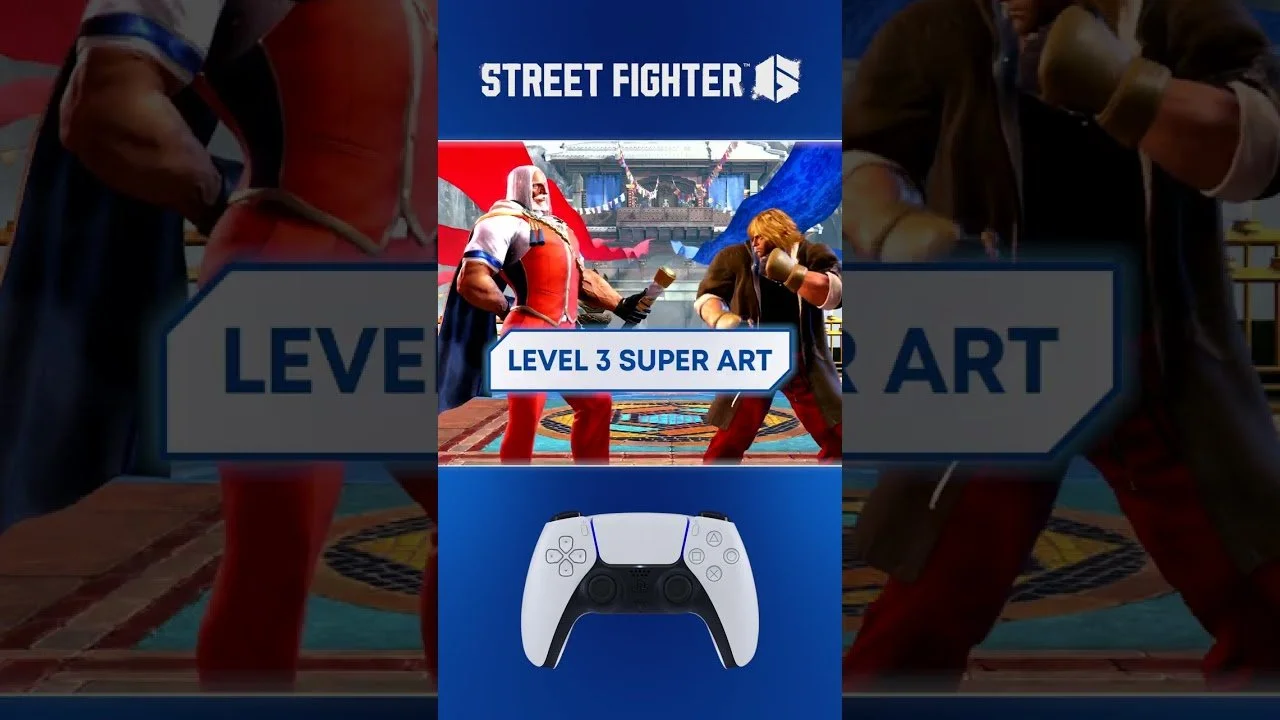
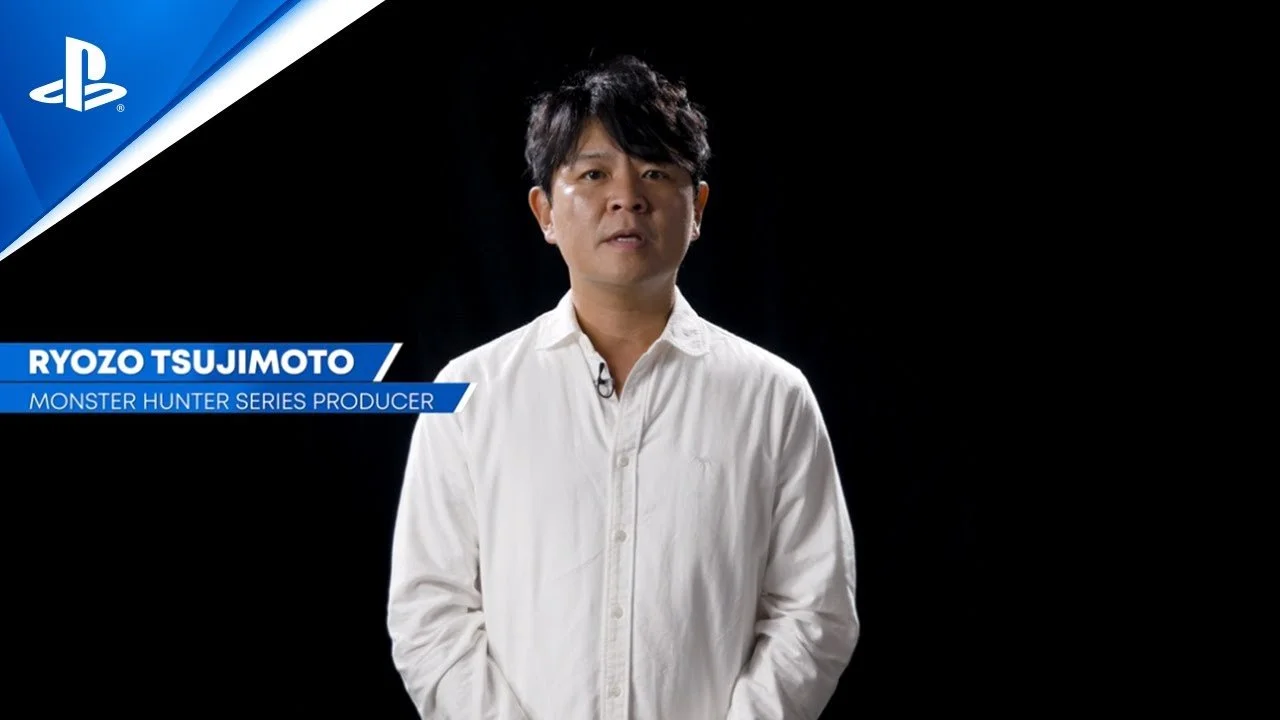
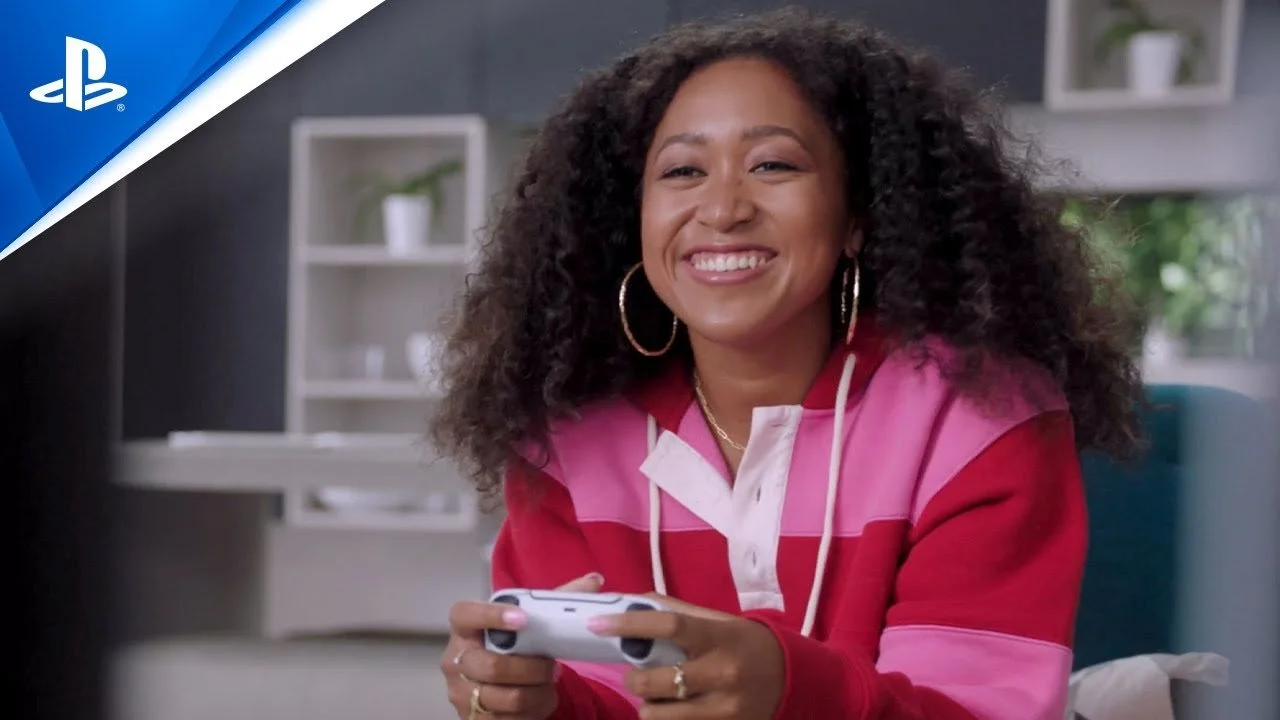
PILLAR B: PlayStation Differentiation
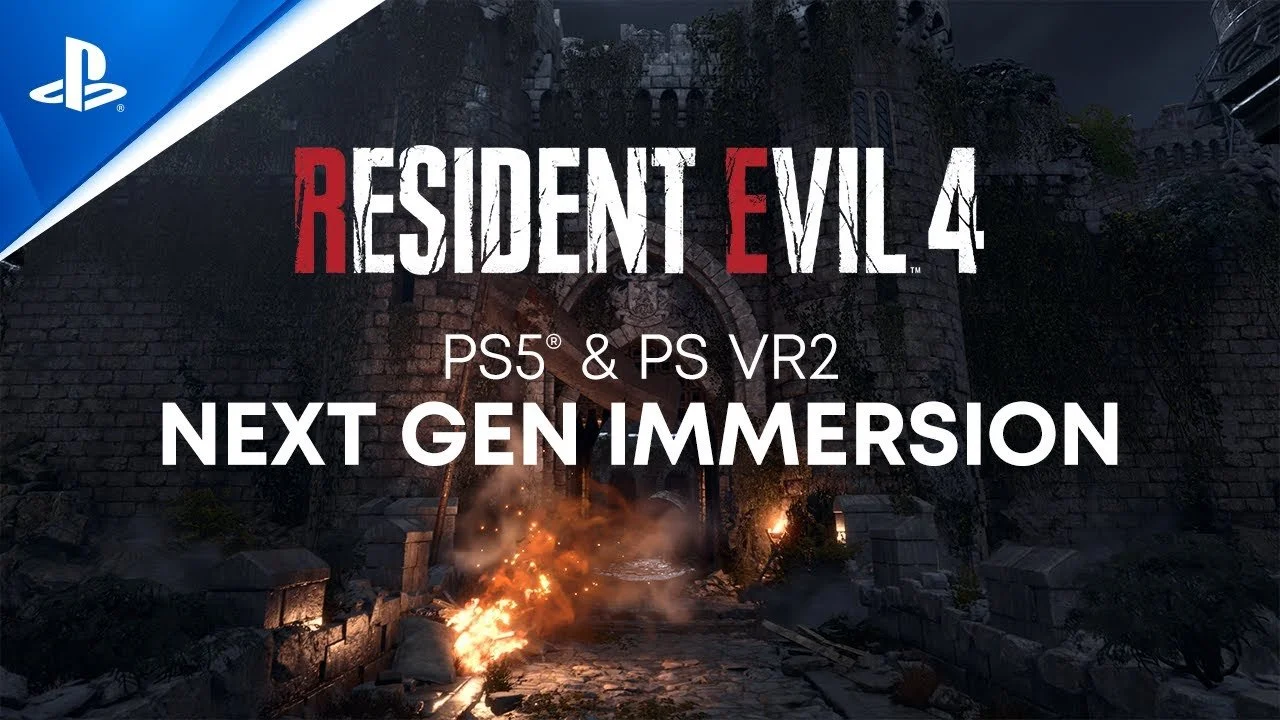
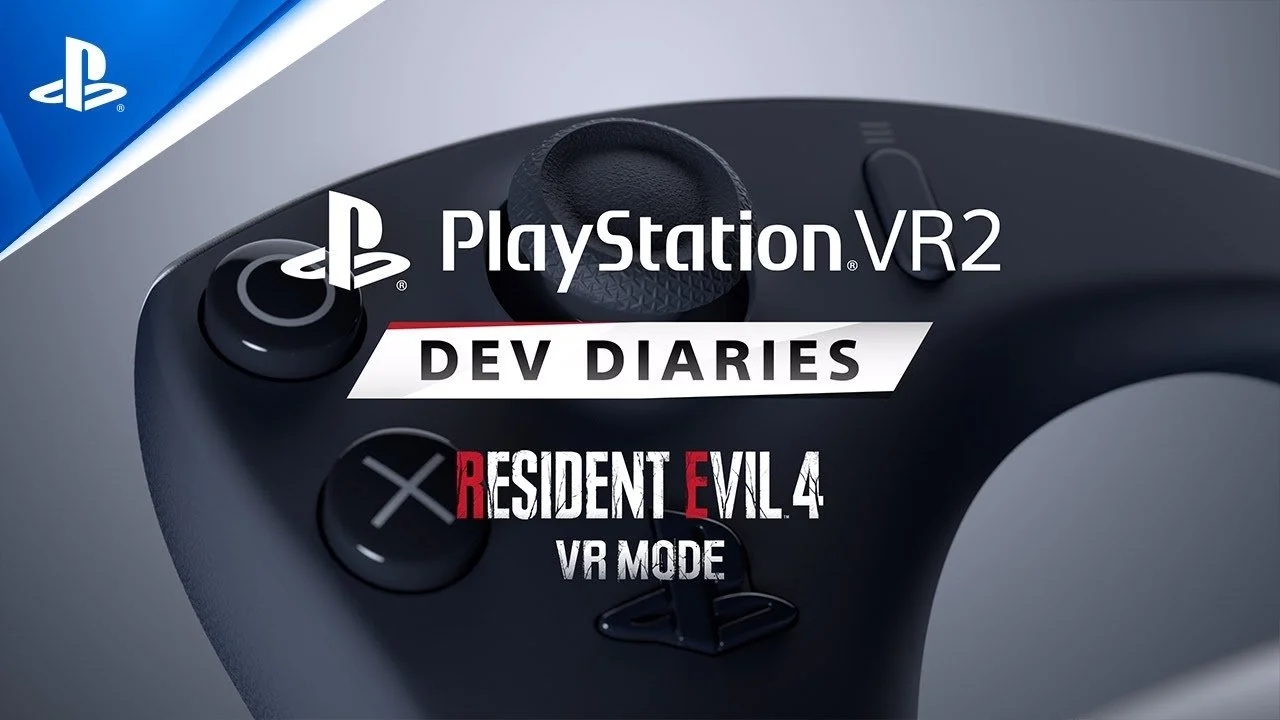
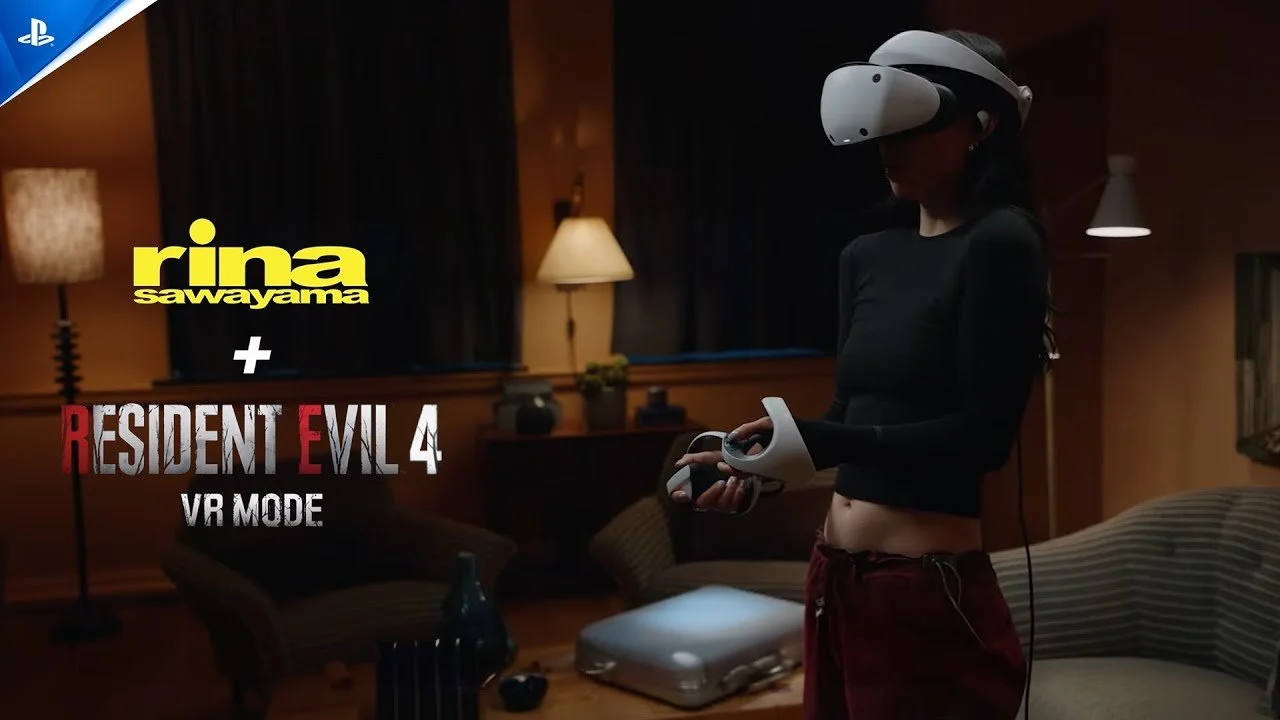
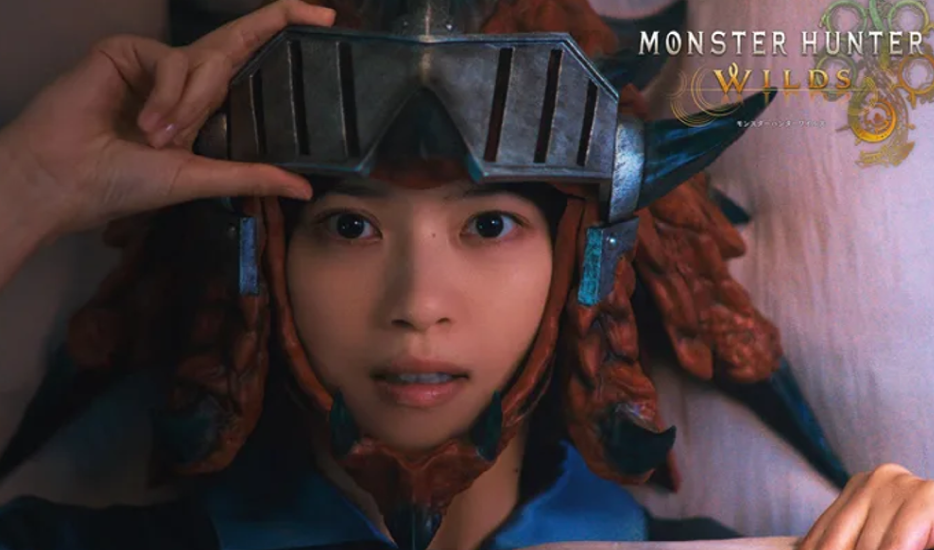
PILLAR C: Audience Expansion
Partnership Value
Leadership
Set the portfolio direction, prioritized differentiated opportunities, and aligned Capcom with PlayStation teams across IP, technology, hardware, product, content, retail and regional marketing.
For Capcom
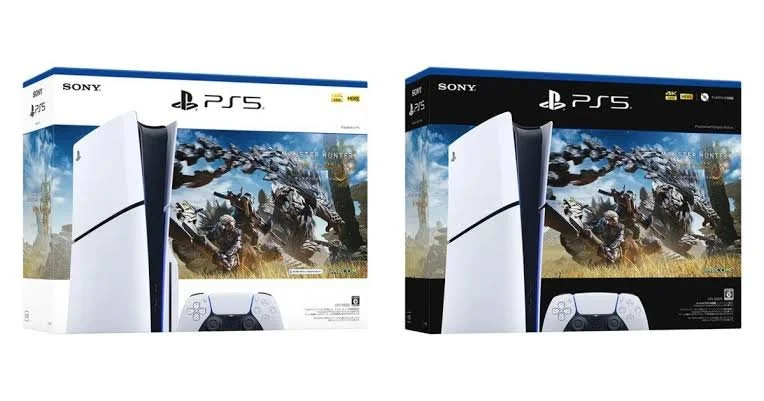
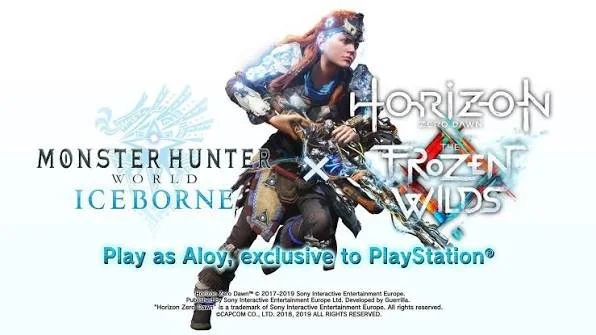
Expanded launch expression beyond channel support by connecting priority franchises with PlayStation IP, cultural talent, platform technology, hardware, retail, and owned media.
For PlayStation
Created more distinctive reasons for Monster Hunter, Resident Evil, and Street Fighter fans that the best experience is on PlayStation
For the Relationship
The clearest sign the model worked is that it didn't stay a one-off — the same franchise-first, platform-value, new-audience approach carried across three platforms and six years, and it earned enough trust to put Capcom's own producer on camera for a PlayStation-branded announcement. That's not something a partner hands over lightly — it's built.
The model was requested multiple times from Capcom and via different publishers
This framework was mirrored for other iconic franchises - Rockstar x GTA franchise